History
|
The beginning
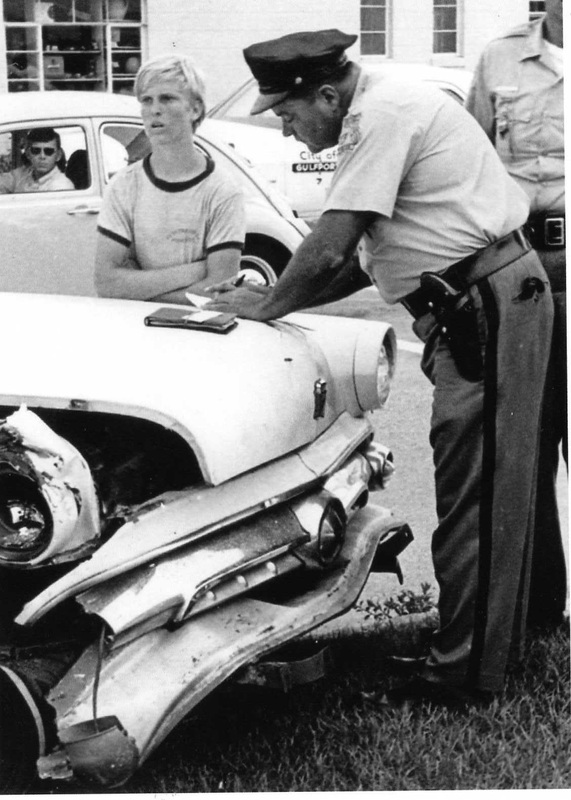
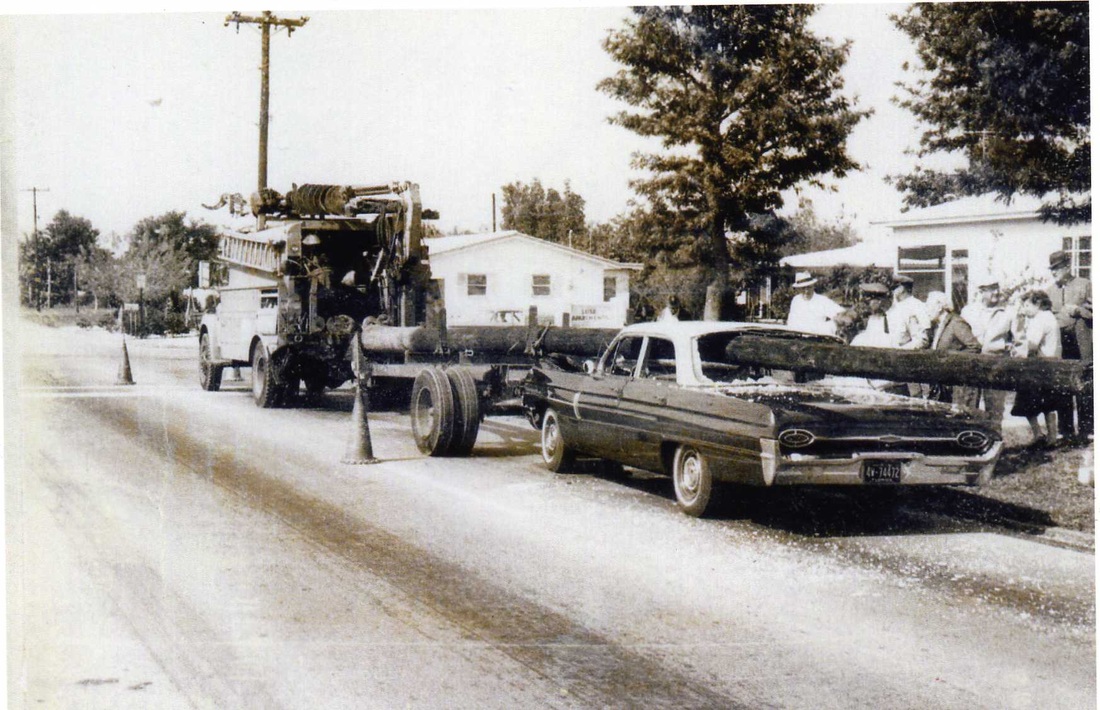
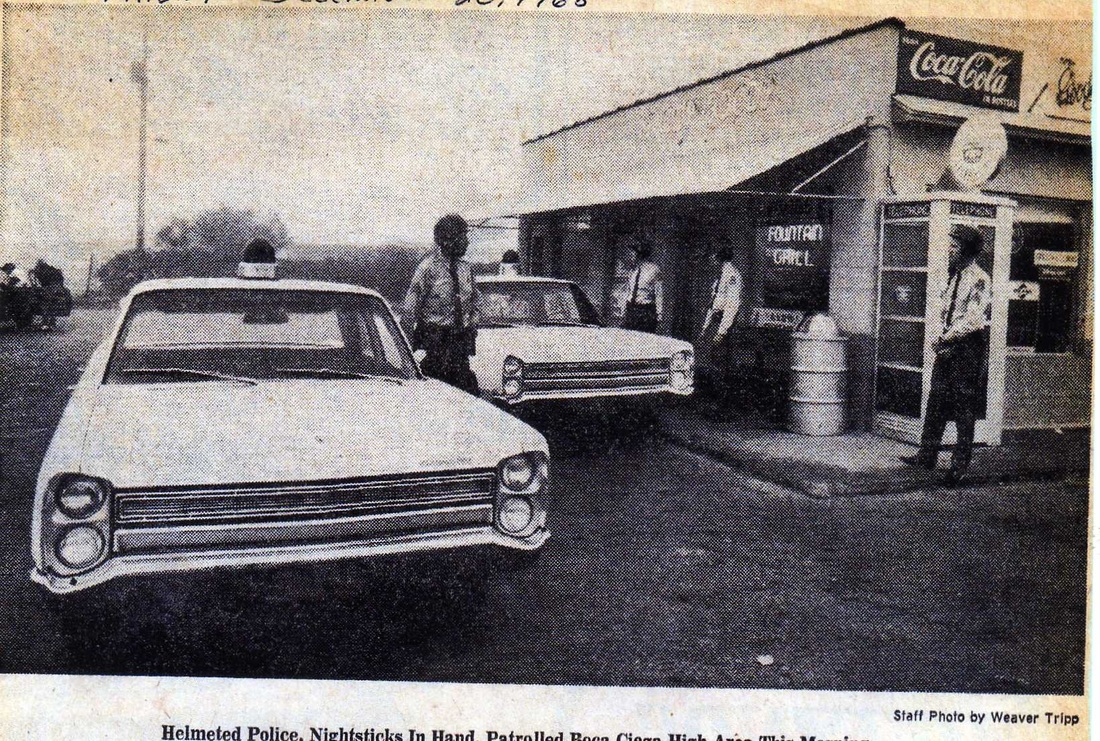
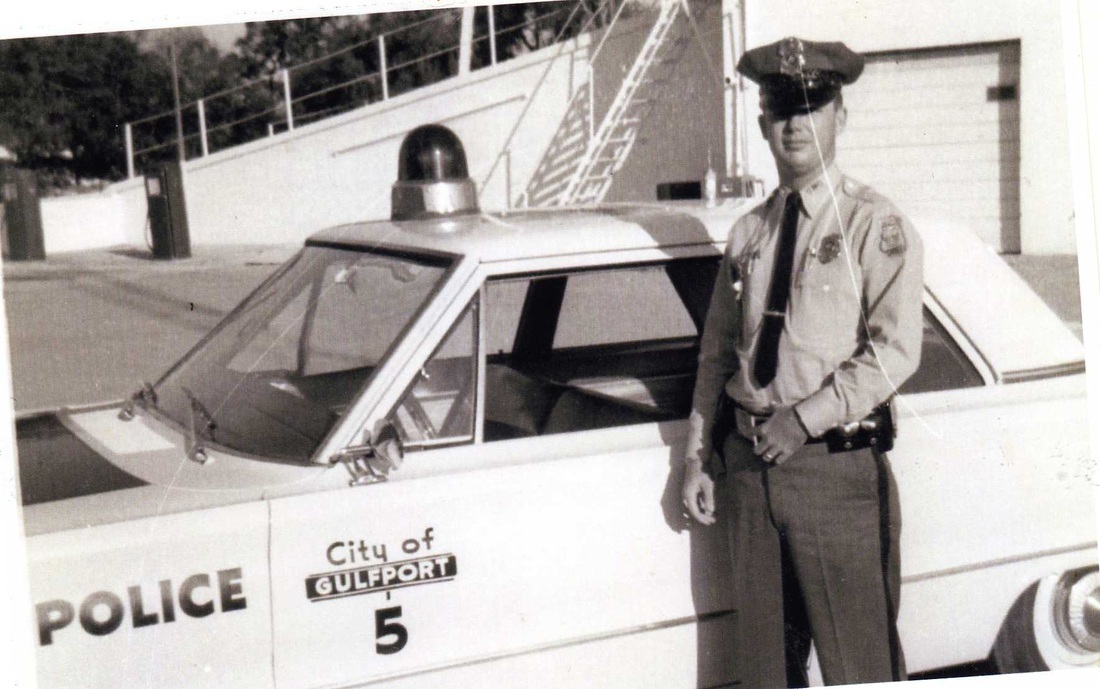
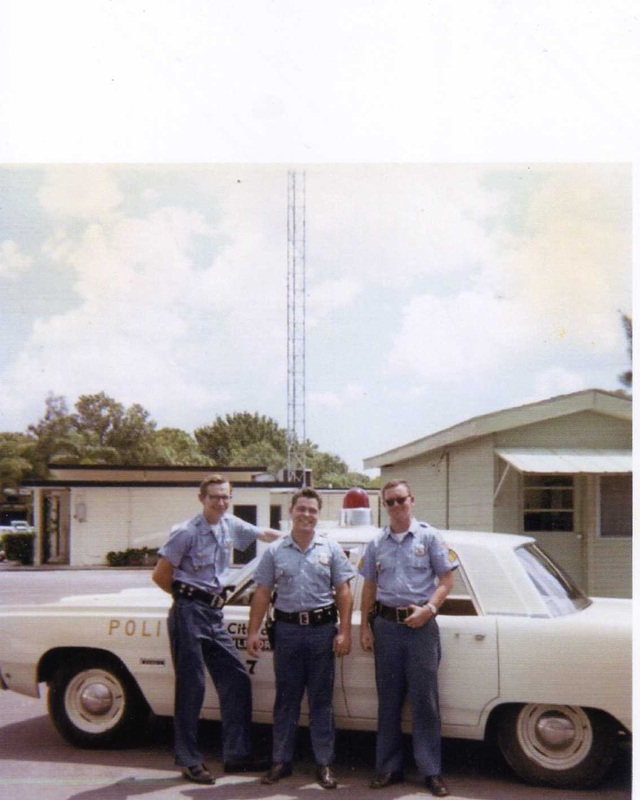
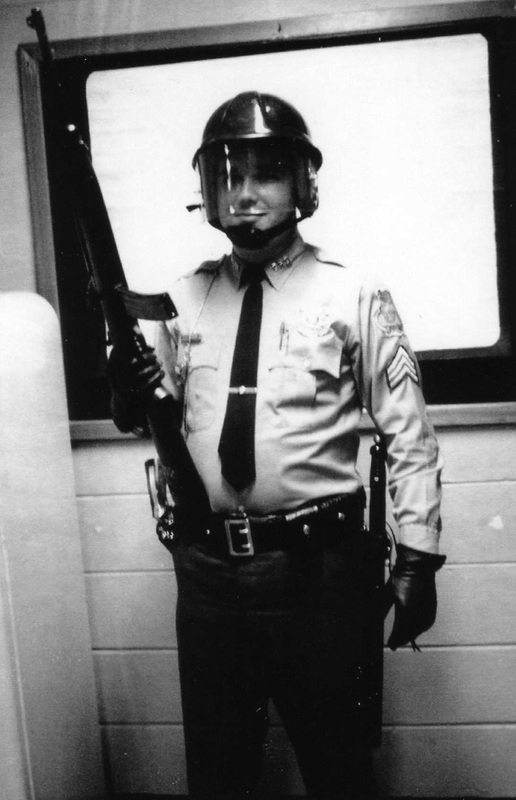
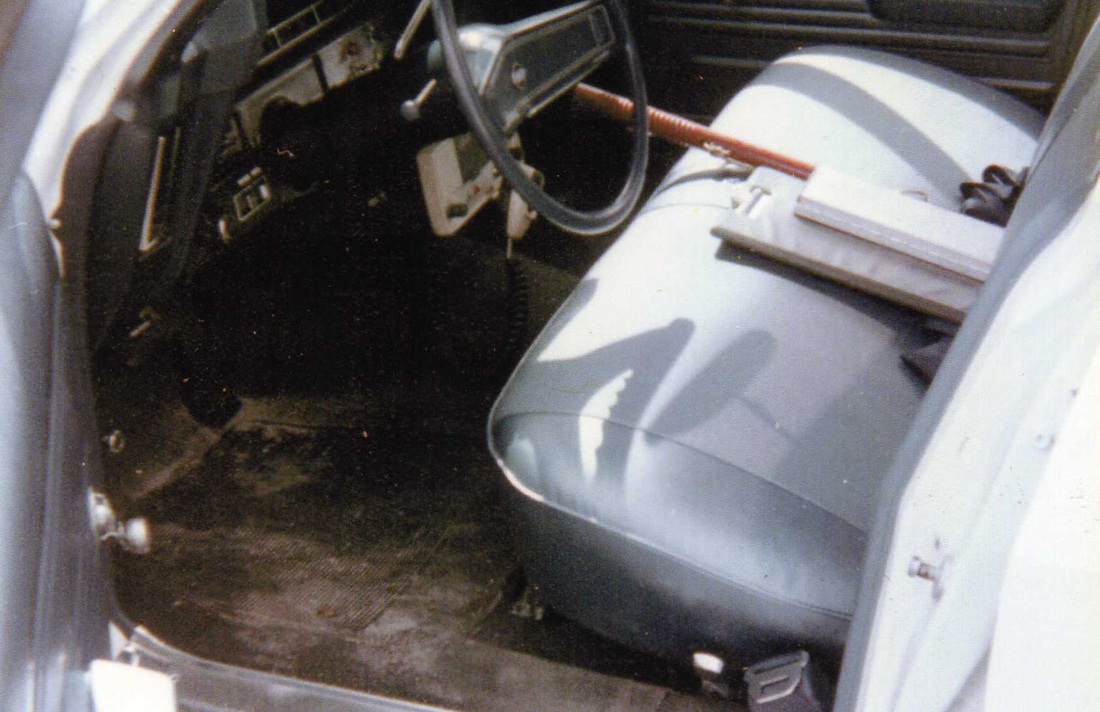
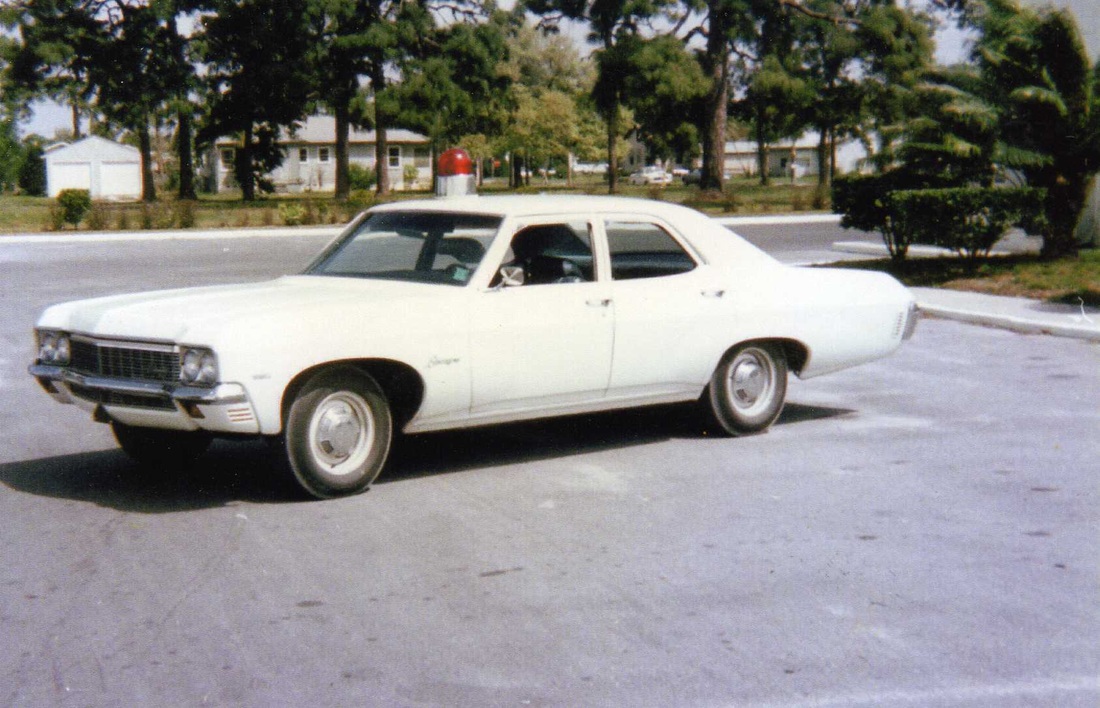
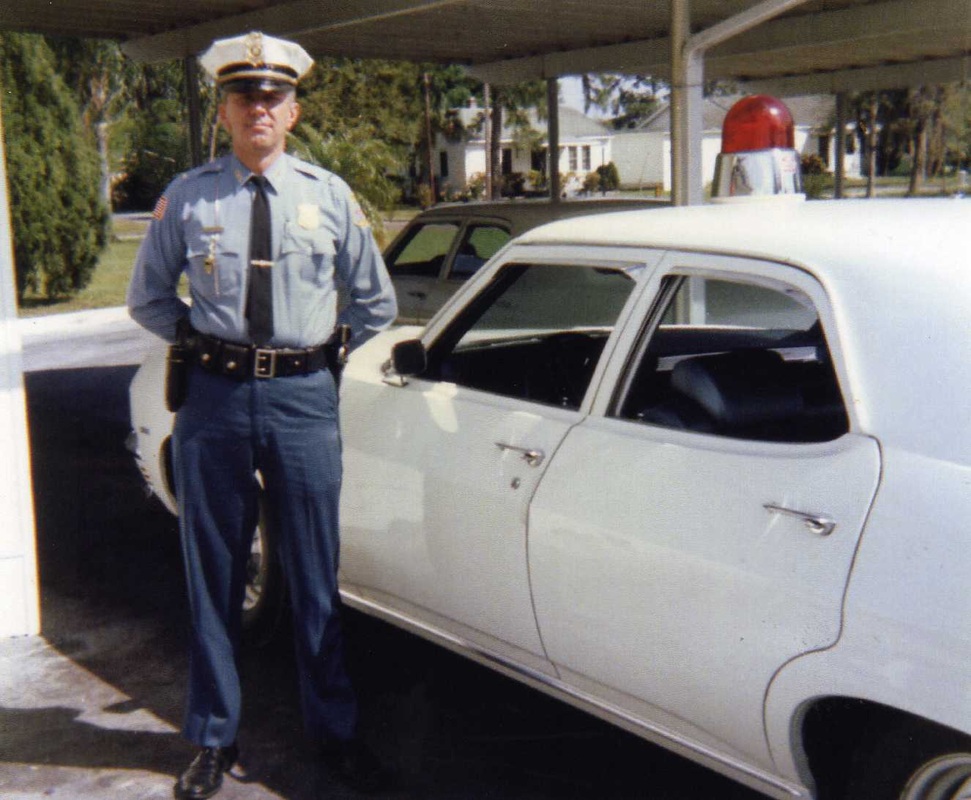
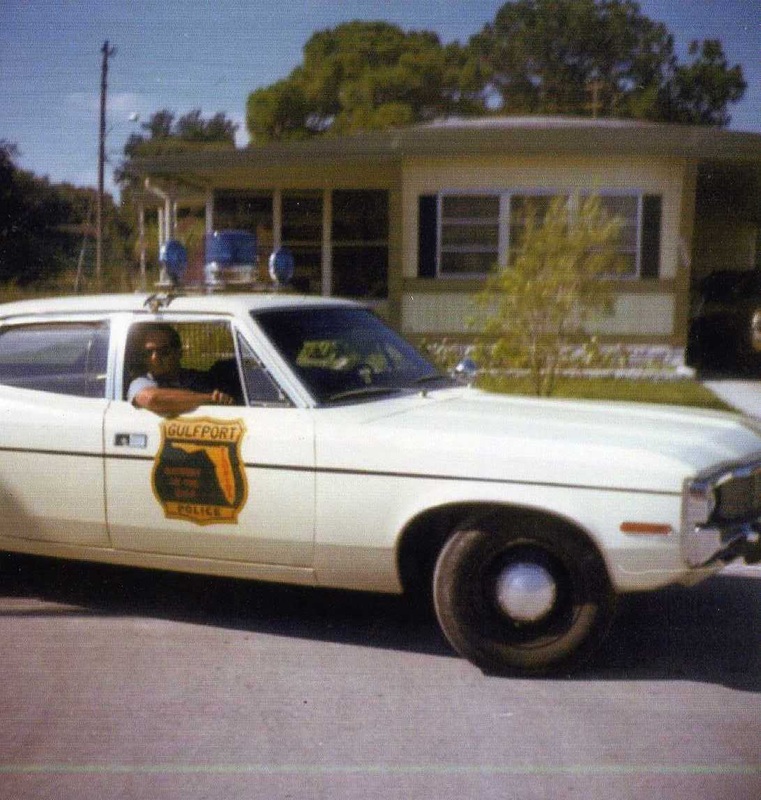
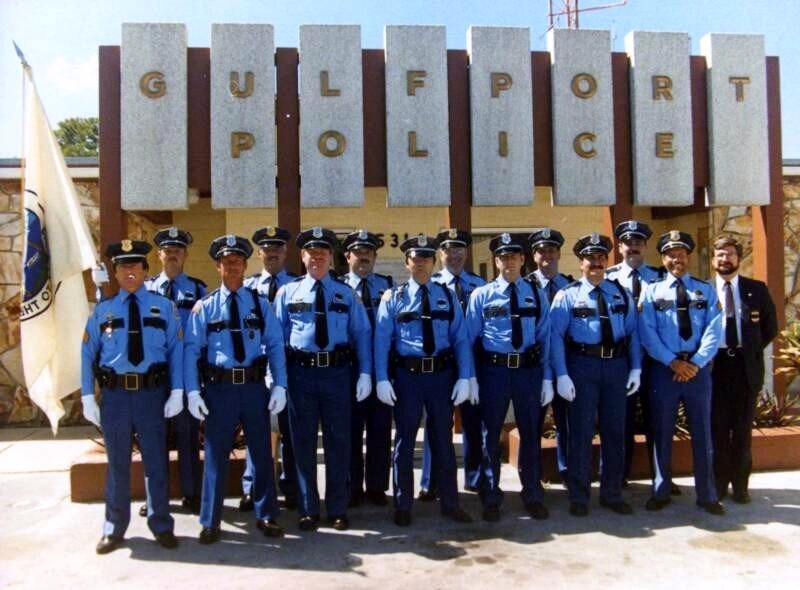
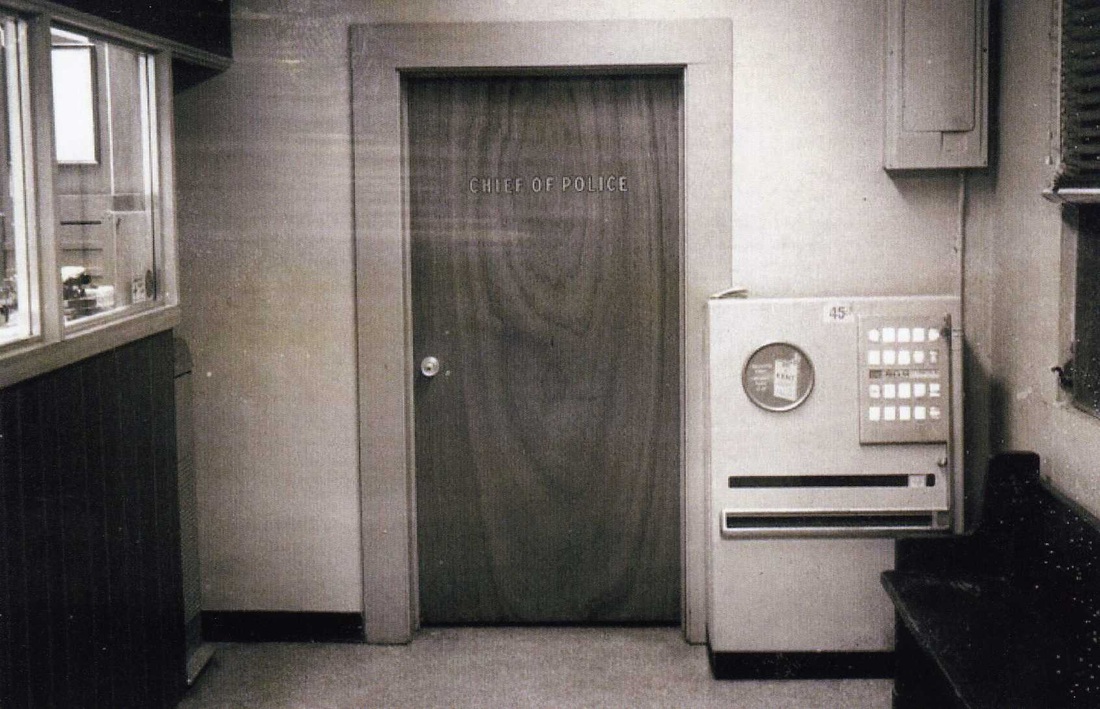
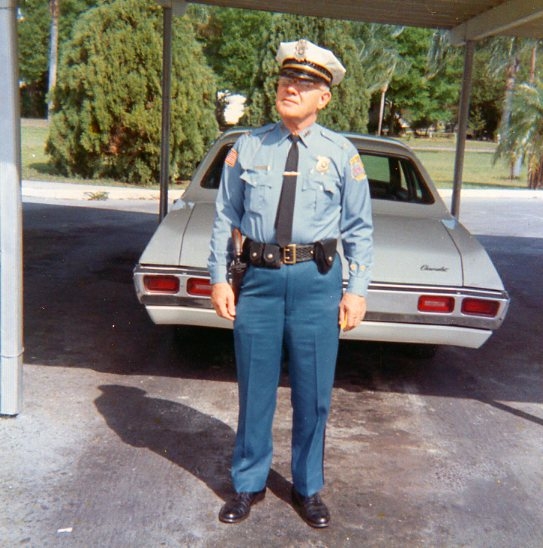
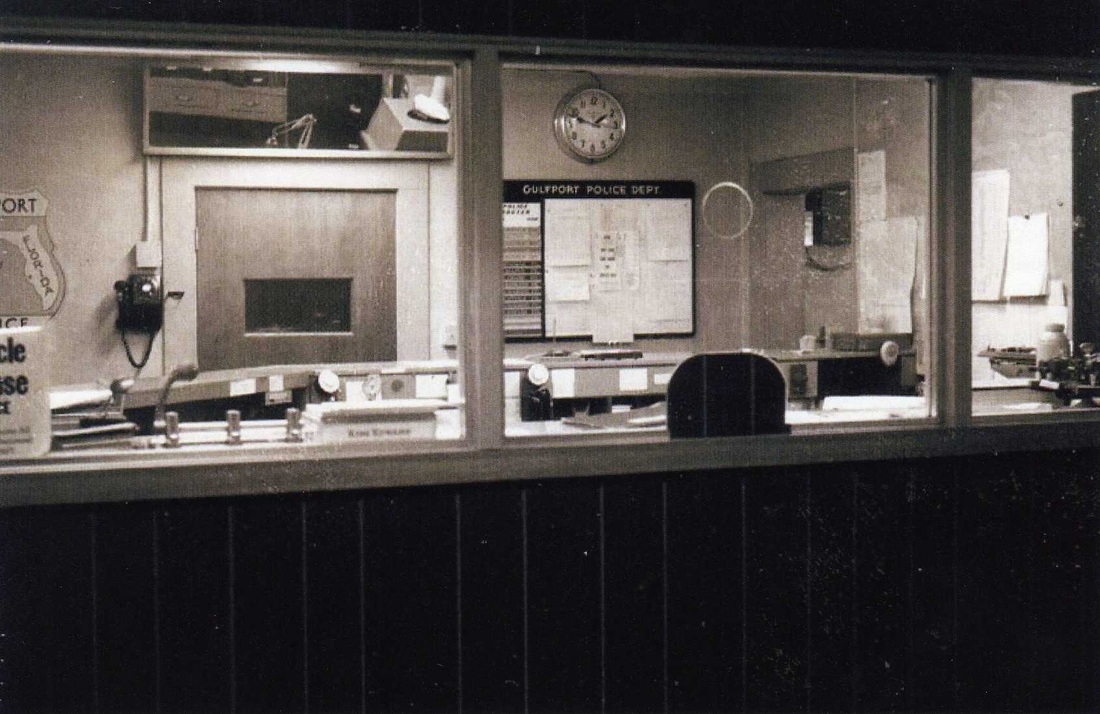
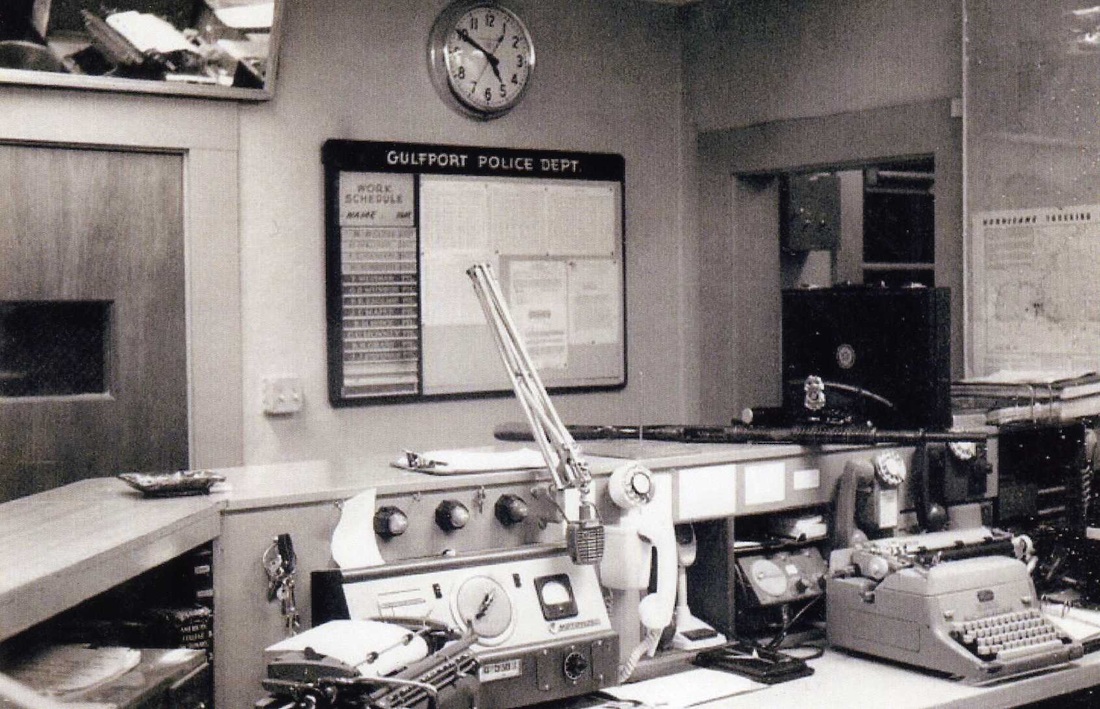
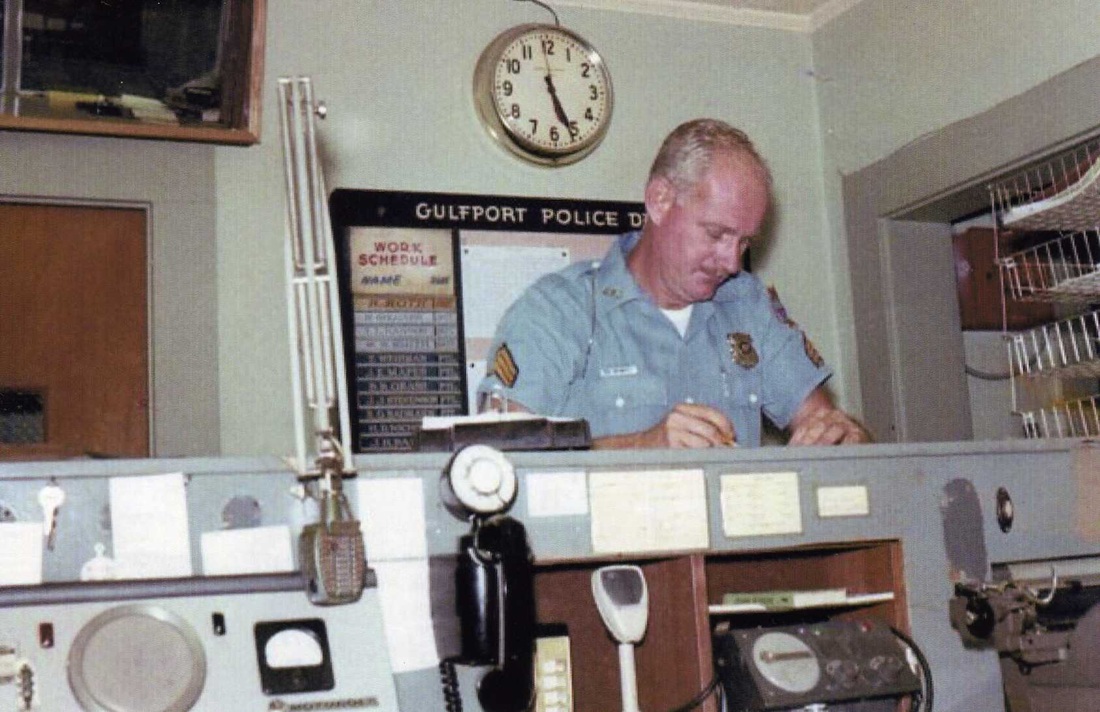
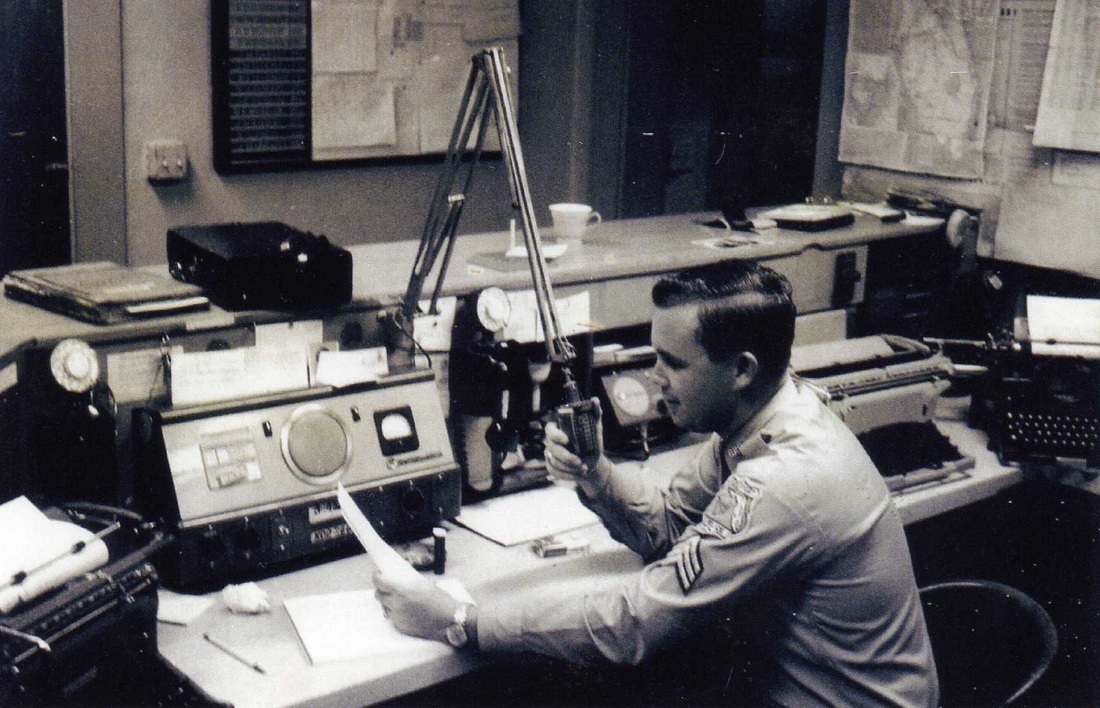
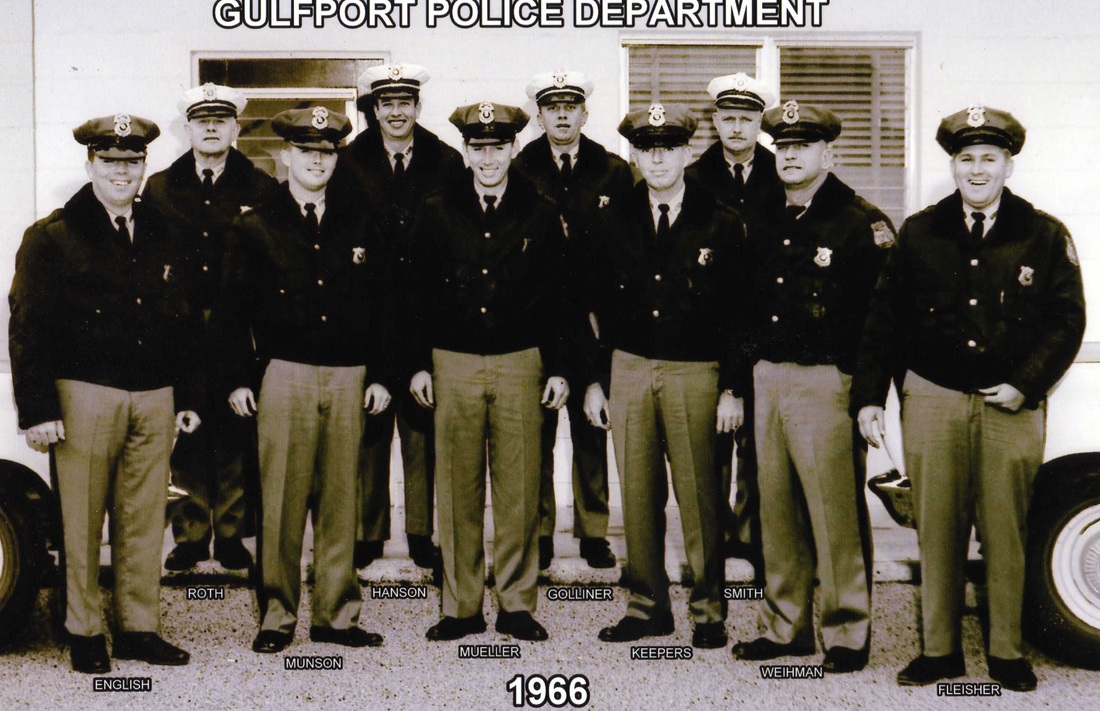
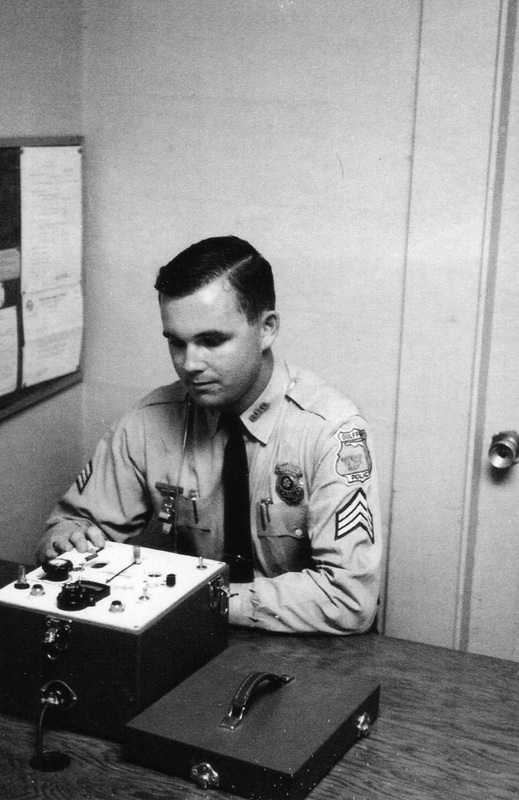
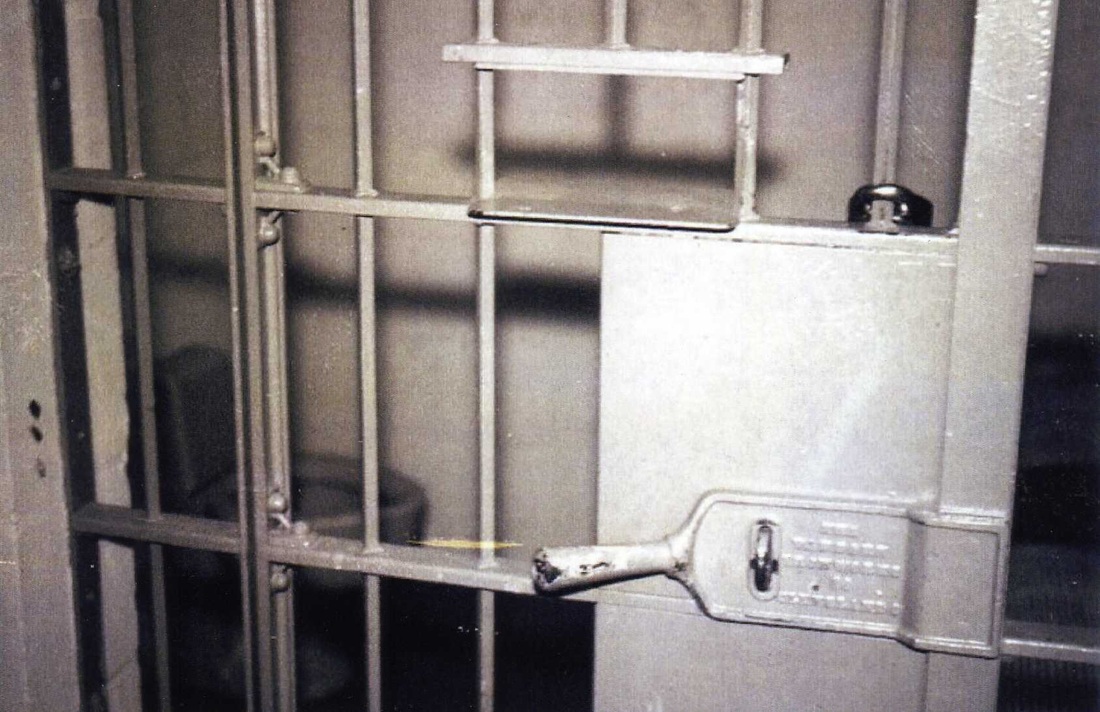
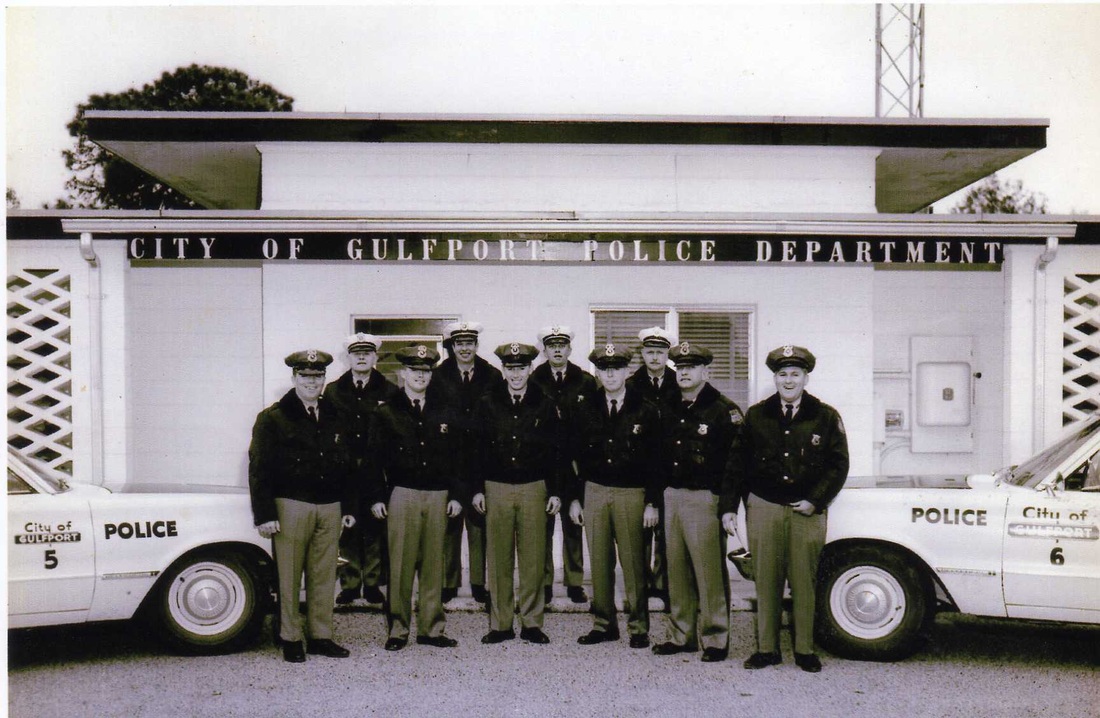
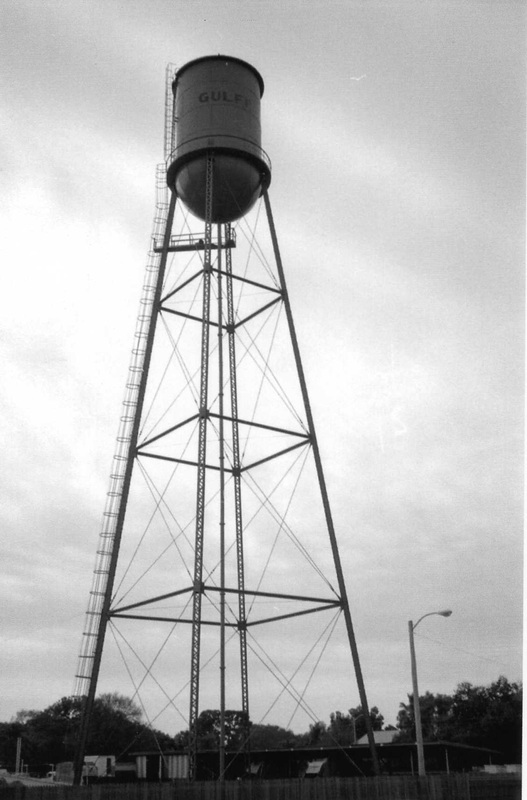
Although it was not incorporated as the City of Gulfport until 1910, the town was settled much earlier. In fact, the first resident built his home in 1867, and less than twenty years later, the town received its first name--Disston City. This makes the area known as Gulfport among the oldest settlements in the Tampa Bay area. During those early years, law was enforced without the need for officially appointed officers. Residents took care of their own problems, and if anybody needed to be arrested on a warrant, the trolley driver would come in and pick him up. 1910-1920 -First appointed marshall was John C. White, appointed upon the incorporation of the city in 1910. -Soon after, the town decided that it did not need a marshall. White was briefly reappointed in 1928. -$4,000 approved to build a house and jail for the marshall 1920-1940 -December, 1922--A law and order society was formed with the goal of reducing Gulfport's reputation as a lawless community. -Early 1920's saw great turbulence--in one year, three marshalls were appointed and resigned. The J.A. Detective Agency was retained to serve as marshall until 1926. -1928--Sam Renney appointed as marshall and the first to be issued a gun -1930--Census records Gulfport population at 851 -1930's--The city commission asked the Pinellas County Sheriff to deputize the Gulfport marshall. -Early marshalls employed volunteer officers when they required help, and they signalled for assistance by lighting the water tower in the center of town. -1935--Lloyd "Mout" Holland was appointed as the first "Chief of Police" -December 29, 1937--The Evening Independent publishes a short article indicating that records only show 18 criminal cases for the year 1937. -June 11, 1938--Council authorizes one-week paid annual vacation for all city employees, and authorizes police patrols to 4 AM instead of 1 AM. 1940's -1940--Census records Gulfport population at 1,581. -Chief Holland must pay to feed prisoners from his weekly salary of $12.50 -June 20, 1947--Mayor Williams asks for resignation from police chief, Fairley Sullivan following controversy about his record as an officer in Mississippi. 1950's -1950--Census records Gulfport population at 3,702. -Bill Jopson was appointed Chief of Police -1953--A new police station was built on the site at 53rd Street and 25th Avenue. -1953--Sworn strength was three police officers, including the chief. 1960's -1960--Census records Gulfport population at 9,730 -Routine night shift patrols were first implemented -Officers were issued radios to communicate with a central dispatch 1964--The first procedures manual was published -1965-- Sworn strenth was increased to twelve officers. -1968--The first four-door patrol car was put into service 1970's -1970--Census records Gulfport population at 9,976 -1970--Gulfport Police obtains access to National Crime Information Computer database -1971--Herman "Hap" Golliner was appointed Chief of Police -1971--Police deal with several days of violent disturbances at Boca Ciega High School, arresting several students following attacks on school officials -Officers begin receiving overtime pay for working more than 40 hours per week. -1973--Sworn strength was increased to 17 officers. 1980's -1980--Census records Gulfport population at 11,180 -1982--Police officers vote for and receive the right to organize as a union. -1982--The first woman, Veronica Lumsden, is hired to serve as a GPD officer -1987--Detective Lawrence Tosi arrested his friend, firefighter George Lewis for the murder of Karen Gregory following a two-year investigation -July 21, 1985--Officer Allen Reed used deadly force to stop a fleeing burglary suspect who pointed a gun at the officer while running away. -March 4, 1986--Dr. James D. Sewell is appointed Chief of Police -Gulfport Police form a partnership with the Pinellas County School Board, assigning a Resource Officer to Boca Ciega High School -1987--Officers were issued Glock 9mm pistols to replace the six-shot revolvers that had been in use since the 1930's. -1988--Former Chief Hap Golliner died two years after his retirement. -1988--Authorized sworn positions were increased to 23 officers in response to complaints from residents and business owners about high crime -1989--Officers were first issued protective body armor. 1990's -1990--Census records Gulfport population at 11,727 -August 29, 1990--Chief James Sewell resigned, accepting a job as director of FDLE's Executive Institute in Tallahassee -January 1, 1991--The police and fire departments were combined under a Department of Public Safety -January 7th, 1991--G. Curt Willocks was appointed Director of Public Safety -1993--sworn strength is increased to 29 officers. -October, 1994--A new police station / city hall was built with state of the art holding cells, as well as communications and surveillance equipment. -1996--Officers were issued new, 800MHz radios, which allowed them to communicate directly with officers in other jurisdictions. -1998--Controversy resulted in Chief Willocks ordering that the Resource Officer be pulled from Boca Ciega High School 2000's -2000--Census records Gulfport population at 12,527 -February 9, 2000--The Gulfport Police Department was accredited by the Commission for Florida Law Enforcement Accreditation. -2002--Authorized sworn positions increase to 32 to help staff a new police patrol boat. -2003--Notebook computers were installed in patrol cars -2004--Officers were issued M-16 style, .223 caliber patrol rifles as well as Taser electronic weapons. -2005--Chief Willocks decided to replace the 9mm with a more effective .40 S&W in a Sig Sauer pistol. -2007--During severe budget constraints, authorized sworn positions were reduced to 31. -2007--When the Pinellas County Sheriff's Office stepped down, Gulfport Police again assigned a Resource Officer to Boca Ciega High School. -April, 2008--The police and fire departments were separated, becoming independent once again. G. Curt Willocks was reclassified as Chief of Police. -February, 2009-- Chief G. Curt Willocks retires as the longest serving chief of police in Gulfport's history. 2010-present -2010 Census records Gulfport population at 12,029 (the first noted decrease since the city's inception 100 years earlier) -February 2, 2010-- Robert A. Vincent is appointed Chief of Police. -January 1, 2012--In an effort to reduce expenses during severe budget shortfalls, city council voted to contract with the Pinellas County Sheriff for communications and records management services. The controversial decision prompted a movement to ensure that primary police services did not follow the same path, and in 2012, council revised the city charter to require a unanimous vote to eliminate the police department. -April, 2015--Gulfport Police achieve the highly-coveted "Excelsior" designation from the Florida law enforcement accreditation commission. -October, 2017--all sworn officers are issued police vehicles, and those who reside in Pinellas County are authorized to take them home. Vehicles and equipment are acquired using local option sales tax revenue. High Profile and Interesting Cases October 13, 1928--Gulfport's first murder! Sol Hunter was arrested by Gulfport Marshall, Rainey, for the murder of Frank Hiers. Hunter attacked Hiers at a pier located at the base of Quincy Street on Clam Bayou, killing him over an argument about rights to a fishing net. June 15, 1935--From The Evening Independent: A series of housebreaks was solved early this morning when Police Chief Lloyd P. Holland reported he caught red-handed two Gulfport youths removing cached loot from the property of James G. Willson, 5314 31st Avenue South. The boys were turned over to juvenile court. The loot had been removed from the house Thursday night and was discovered Friday by Holland when he found that the house had been entered. The boys confessed to several other breaks, that of the home of L. M. Henderson, 5336 27th Avenue South, and the concession on the municipal pier, police said. December 6, 1939--Gertrude Mosher, a visitor from Michigan, was brutally slain, and her body was found two blocks south of what is now Gulfport Blvd. on 59th Street South. She had disappeared the previous evening after leaving the residence she was staying at to walk her dog. Local media reports indicated that police were seeking a "sex maniac," and the next day, investigators arrested I. E. Hawley of St. Petersburg, charging him with the crime. Hawley had been a prior acquaintance of the victim, and he claimed to have met her in secret that evening. The two argued during the meeting, and Hawley told police he pulled out a hammer and hit Mosher in the head several times until she was dead. December 23, 1943--Carmine Ianacio, 24, of New York, was killed by his wife's stepfather during a family argument at 5120 18th Avenue South. Walter Brantley was charged with murder after firing multiple shots at Ianacio with a 12 guage shotgun. Police Chief L. P. Holland arrived at the house just minutes too late, as he encountered Ianacio fleeing from the scene. Ianacio later died at the Mound Park hospital. October 29, 1948--All of the police and fire employees for St. Petersburg and Gulfport were assigned to investigate a series of fires believed to be committed by local youths. A group of boys was suspected of lighting more than twenty fires in the area, several of which caused severe damage to property as well as the loss of many acres of wooded area. May 14, 1949--Lawrence Munutoli, a 68-year-old barber, was arrested and charged with first-degree murder after gunning down Isabelle Marchand as she left a bingo game at the Gulfport Casino. A stray bullet from his pistol also struck another bystander, was barely survived. Munutoli was said to have signed a statement indicating that he killed Marchand because she "made a sucker of me." November 9, 1962--Louise Andrews, a relative newcomer to Gulfport, was found beaten and strangled to death in her home at 4525 27th Avenue South. Cludes were limited, but her car was later found in Jacksonville, and evidence eventually led to the identification of Alfred William Cusson as the suspect. Cusson was a transient roofer who was found in Los Angeles three months later. Massachussetts State Police also considered Cusson a suspect in several murders in the Boston area the previous summer. 1985 As profiled in the book, Unanswered Cries, by Thomas French, the murder of Karen Gregory drew international attention. Detective Sergeant Lawrence Tosi became famous following his arrest of one of his closest friends, firefighter George Lewis. Lewis never admitted guilt, although he was convicted of the crime, and he died while serving a life sentence in prison. 1987--From the St. Petersburg Times: Six people have been arrested in the past eight days as part of a four-month, undercover investigation of drug activity near Gulfport's waterfront. The investigation by the Gulfport Police and the Florida Department of Law Enforcement (FDLE) was the first long-term drug investigation in Gulfport, said Police Chief James Sewell. ``We haven't had the resources in the past to initiate this kind of undercover operation,`` Sewell said. For some time, residents in this southernmost town of Pinellas have complained about drug dealing in the area along Shore Boulevard S, near the city's beach, Sewell said. Sewell said one of the suspects - Thomas Philip Morano, 54 - was ``a major source`` of drugs near the waterfront. Morano, of 3120 57th St., Gulfport, was arrested Aug. 26 on eight felony counts of sale and possession of marijuana. Sewell said Morano sells drugs from his home. He was in the Pinellas County Jail on Thursday on $40,000 bail. Police arrested two persons Wednesday in the parking lot of the Gulfport Community Center on felony charges of sale and possession of cocaine. They were identified as William John Surprenant, 32, 235 38th Ave. SE, St. Petersburg, and Darline Bruce, 21, 3009 54th St. S, Gulfport. Surprenant also was accused of conspiracy to traffic in cocaine and was being held on $120,000 bail. Bruce was held on $15,000 bail. 1989--From the St. Petersburg Times: Two unidentified bank robbers were captured Friday by Gulfport police officers after a ``short but intense`` chase, police said. The robbers, who refused to tell police their names, were booked on 24 separate charges, including armed robbery, assault with intent to commit murder and seven counts of aggravated assault. The two men, wearing ski masks, pointed a gun at two tellers and five patrons of the American Savings of Florida, 4901 Gulfport Blvd., shortly after noon and ordered the customers onto the floor, said Gulfport police Chief James Sewell.Meanwhile, a passer-by called police. Officers and detectives arrived just as the robbers were running out of the bank, Sewell said. The robbers took off east into St. Petersburg, dropping money and a dye pack along the way. Police tackled the robbers near 4686 21st Ave. S, about four blocks from the bank.`One of the John Does pointed a .357 Magnum revolver at one of my detectives,`` Sewell said. ``It was a standoff. The bad guy heard another detective coming up and dropped the gun." One of the robbers also tried to hide inside a house and will be charged with burglary, the chief said. All of the money was recovered, police said. 1996--Officers Andrew Daniels and Scott Matthews used deadly force to stop Jesse Stephen Steffens from killing a young mother at a house in the 5400 block of 9th Avenue South. The victim had called police to report an intruder, and officers responded, setting up a perimeter around the house. The young woman was reluctant to leave the house because her child was sleeping in another room. The intruder was between her and the child, so she could not get to the child. The woman made it to the front door, and police were communicating with her when the intruder suddenly appeared behind her with a raised knife. The officers told the woman to run, and when she did, Steffens chased her with the knife. When Steffens refused to stop and drop the knife, Officers Daniels and Matthews opened fire with Beretta 9mm pistols, striking him nine times before he stopped and fell to the ground. 2001--Deborah Fleischner was murdered during a carjacking at the McDonalds restaurant on Gulfport Blvd. Fleischner resisted the robber's attacks, getting up and fighting with him each of three times that he threw her to the ground while trying to steal her car and her purse. After the third time, the man shot her in the chest at point blank range, killing her instantly. The stolen car was later recovered in Clearwater, and a fingerprint found on the car's door frame was matched to 21-year-old Christopher Lee Wehland, who had stolen the car to use in the commission of robberies in St. Petersburg and Pinellas Park. Wehland was arrested and charged with the crime, and in 2004, he was found guilty and sentenced to life in prison without possibility of parole. The investigation was an excellent example of cooperation among multiple law enforcement agencies. Gulfport police led a team consisting of efforts from Clearwater Police, Pinellas Park Police, St. Petersburg Police, the FBI, the State Attorney's Office, and the Pinellas County Sheriff's Office. 2003 A local teenager disappeared in what was believed to be a runaway case, and her decomposed body was found several months later in a Hillsborough County orange grove. The remains went unidentified for quite some time until a forensic artist applied a clay mask to the skull and noticed the resemblance to photos of the missing girl, Tara Exposito. The cause of her death has yet to be determined. |
Chiefs of Police
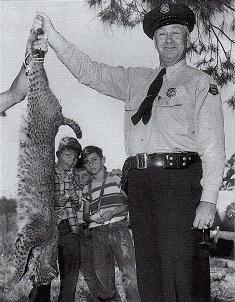
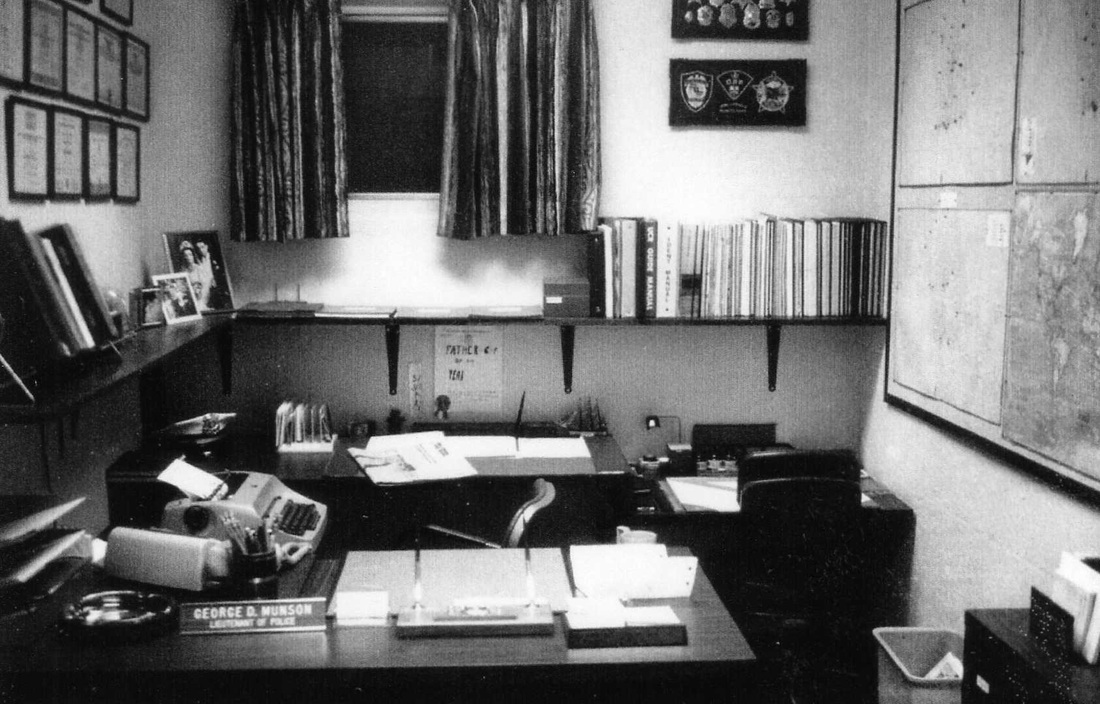
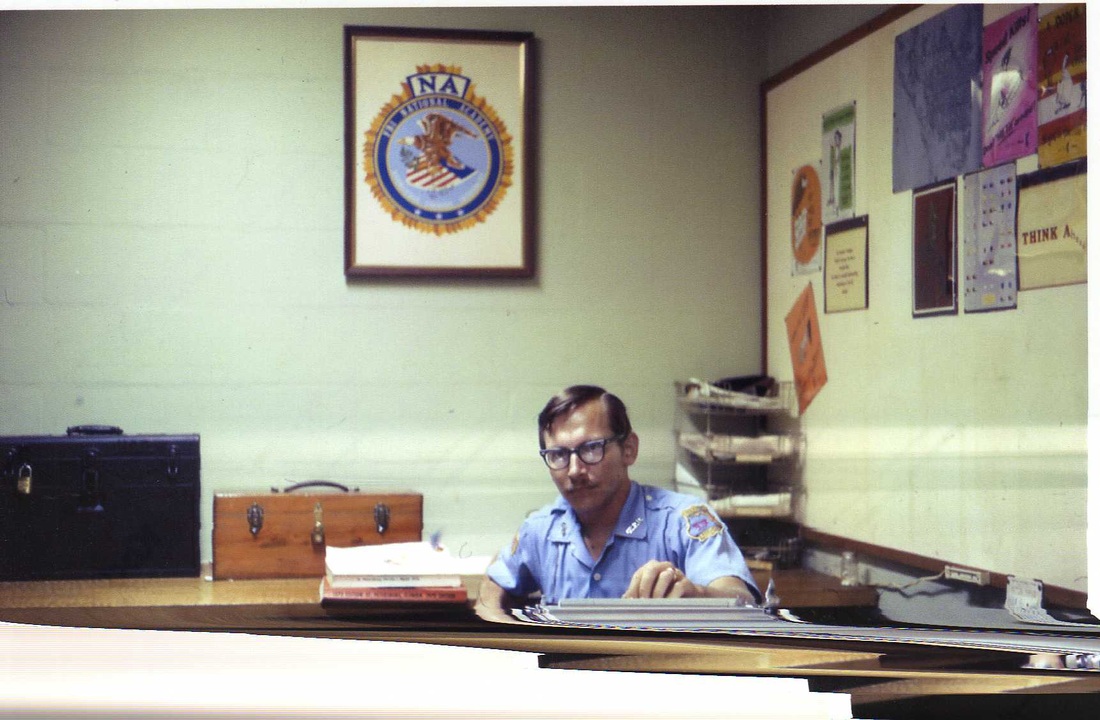
Robert A. Vincent (2010- On February 2, 2010 Robert A. Vincent was appointed Chief of Police. Chief Vincent began his service with the Gulfport Police Department in 1994. He is a graduate of Gibbs High School in St. Petersburg and the University of South Florida in Tampa. In 2006 Chief Vincent graduated from the 227th session of the FBI National Academy in Quantico, Virginia. He is one of only three Gulfport officers who have had the honor of attending this prestigious course of instruction. Chief Vincent's priorities include increasing community interaction when it comes to policing strategies. On his first day he promised the people of Gulfport, "Gulfport is going to be policed the way residents want it to be policed." G. Curt Willocks (1991-2009) G. Curt Willocks served as the Public Safety Director and Chief of Police for eighteen years, making him the longest serving chief in the history of Gulfport. He is credited with bringing the department to modern professional standards, achieving and maintaining status as an accredited agency in Florida. Before coming to Gulfport, Chief Willocks served 20 years with the Boca Raton Police Department, where he retired as Deputy Chief of Police. Chief Willocks was qualified with a Bachelor of Arts Degree in Criminal Justice from Florida Atlantic University, and he was a graduate of the FBI Academy, DEA Academy, Senior Management Institute for Police, Florida Chief Executive Institute and the Secret Service Academy on Dignitary Protection. During his career, Chief Willocks served as president of the Tampa Bay Area Chief’s of Police Association, chairman of the Pinellas County Police Standards Council, Director of the Florida Police Chief’s Association, and as a member of the Commission for Florida Law Enforcement Accreditation. Dr. James "Jim" Sewell (1986-1990) Chief Sewell came to Gulfport at the age of 35, the second youngest chief in the agency's history. He had been an investigator at Florida State University and then a supervisory special agent with the Florida Department of Law Enforcement before being hired as Gulfport's chief. Armed with impressive education credentials (a doctorate from FSU), Chief Sewell is credited with bringing many positive changes to the department, including increases in training and recruting standards. Herman "Hap" Golliner (1971-1985) Golliner was instrumental in modernizing the police services. He increased the sworn strength, creating patrol shifts for 24-hour coverage as well as full-time communications and support personnel. Golliner also increased screening and training standards for police officers, and he was responsible for implementing a K-9 patrol within the department. Golliner died just two years after his retirement from Gulfport, and his funeral was attended by many current and former officers. Rudolph "Rudy" Roth (1965-1971) Chief Roth saw the department through turbulent times, including the fear of riots at Boca Ciega High School during racial integration. He also presided during the national push towards professionalism of law enforcement. William "Bill" Jopson (1954-1965) Jopson managed a department that grew from three officers to twelve during his tenure, obviously spending a great deal of time himself patrolling the streets and handling neighborhood problems. He was also credited with the creation of a police records section. Previously, police records were essentially non-existent. Jopson was revered by the people of Gulfport, who later elected him mayor. Jospon served as mayor from 1967 to 1969. Perry Weiss (1953) Weiss was a young patrolman with less than two years' experience when he was appointed by the mayor to fill the unexpired term of Ed Lisenby. Weiss was selected in recognition of his college education, where he had majored in criminology. Ed Lisenby (1948-1953) Lisenby oversaw the development of plans and building of a new police station, complete with a communications room and holding cell. This police station, which was designed when the department consisted of three officers, lasted until 1993, when there were 29 officers patrolling Gulfport. Following five years of service with Gulfport, Lisenby left to become a deputy for the county sheriff's office. French Bishop (1947-1948) Bishop was only 30 years old at the time of his appointment as chief of Gulfport's two-officer department. This makes him the youngest chief in the agency's history. He was a marine sharpshooter and then a Clearwater officer before joining Gulfport, where he worked for just a year before being named chief. He was eventually demoted to patrol officer by the mayor, and he resigned shortly afterward. Verner Cross (1947-1947) Cross was officially the chief of police for two weeks before he fell ill and had to resign. Fairley Sullivan (1947-1947) Much controversy surrounds the departure of Chief Sullivan. Mayor Williams asked for and received his resignation, but Sullivan later tried to withdraw the resignation, gaining support from many on city council. Sullivan had worked as an officer in Mississippi before coming to Florida, and information about his record in Mississippi came to light long after he had been employed in Gulfport, Florida. This information prompted the mayor's action even though Sullivan disputed its accuracy. Because the town charter provided that the chief worked at the pleasure of the mayor, Sullivan eventually lost his plea for reinstatement. Andrew Quist (1945-1947) Chief Quist took the initiative of assigning a part-time officer to patrol only the waterfront area of town. Also during his time as Chief, Winter fired one of his officers, submitting a letter to the mayor indicating that the officer "didn't do anything." Edwin Ray Winter (1944-1945) Winter took over following Holland's retirement in 1944, but his tenure was short lived. Winter died on January 7, 1945, just two weeks after his appointment. Lloyd "Mout" Holland (1935-1944) Holland earned his nickname because of his frequent comment: "I mout lock ya up, I mout not." His initial salary was $12.50 per week, from which he had to pay for prisoner meals. As a result, he often left the jail unlocked in hopes that those "sleeping it off" would be gone by morning. Holland drove a '35 Chevy, for which he was allowed to pump five gallons of city gas per week. His officers' primary duties included collection of delinquent taxes and boat slip rentals. Sam Renney (1928-1935) Chief Renney was also known as an avid commercial fisherman. He disappeared on a fishing trip in 1943 while still working as a Gulfport police officer. |